
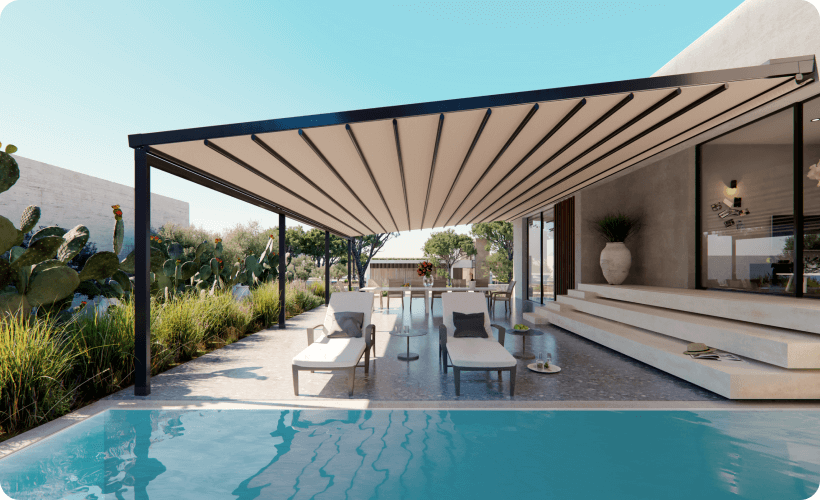
Retractable Awnings vs Pergola Shades Cache Valley | Expert Comparison
Cache Valley's canyon winds and heavy snow demand smart shade solutions. Discover which option protects your investment and extends your outdoor season.
When July temperatures in Logan climb past 95°F and you’re watching heat shimmer off your patio, that backyard you dreamed about becomes unusable by noon. But here’s what makes outdoor shade decisions uniquely challenging in Cache Valley: the same space that bakes under summer sun will face 60+ inches of annual snowfall and canyon winds that funnel down from the Wellsville Mountains at 50 mph. Choose the wrong shade system, and you’ll watch your investment buckle under the first serious winter storm.
This guide breaks down retractable awnings versus pergola shades specifically for homeowners in Northern Utah—because what works in Phoenix or Portland won’t survive a single Cache Valley winter.
Why Cache Valley Weather Demands Specialized Shade Solutions
Your backyard in Hyrum, Nibley, or Hyde Park faces a climate combination that destroys generic outdoor products. Understanding these local conditions determines whether your shade investment lasts 15 years or fails in 15 months.
The Snow Load Problem Most Homeowners Underestimate
Cache Valley averages 52.4 inches of snow annually, with individual storms regularly dumping 12-18 inches overnight (Source: NOAA Western Regional Climate Center, 2023). That wet, heavy snow—common when temperatures hover near freezing—creates loads exceeding 20 pounds per square foot on horizontal surfaces. Standard fixed pergola covers rated for 15 psf will sag, warp, or collapse entirely.
Rocky Mountain Power reports that late-season storms in March and April cause the most structural damage to outdoor fixtures, catching homeowners off-guard after they’ve mentally shifted to spring. Your shade system needs either the structural rating to handle these loads or the ability to retract completely before storms hit.
Canyon Wind Dynamics Unique to This Valley
The Wellsville Mountains create a natural wind tunnel that accelerates gusts across the valley floor. Peak winds regularly exceed 40 mph, with recorded gusts topping 70 mph during certain weather patterns (Source: Utah Climate Center, Utah State University, 2022). Fixed fabric systems without proper tensioning mechanisms become sails that rip from their mounts. Retractable awnings with wind sensors can auto-retract when gusts exceed safe thresholds—typically around 25 mph—protecting the fabric and frame automatically.
Summer Heat That Makes Shade Essential, Not Optional
Cache Valley experiences an average of 34 days annually above 90°F, with peak temperatures reaching 100°F+ during July heat domes (Source: U.S. Climate Data, Logan Utah Station, 2023). South-facing patios on those classic Utah farmhouse and split-level homes common throughout the Logan area can reach surface temperatures exceeding 140°F by mid-afternoon. Quality shade reduces perceived temperature by 10-15 degrees, transforming unusable space into comfortable outdoor living.
Retractable Awnings: The Flexible Protection Option
For many Cache Valley homeowners, retractable awnings offer the practical advantage of adapting to your weather rather than fighting it. Here’s what you need to know about this option for your Northern Utah backyard.
How Retractable Systems Handle Local Conditions
Modern motorized retractable awnings extend to provide shade during summer barbecues and retract completely before winter storms—eliminating snow load concerns entirely. Premium models include integrated wind sensors that automatically retract the awning when gusts exceed 23-28 mph, protecting your investment even when you’re away from home.
For a typical mountain lodge-style home near Utah State University, a quality retractable awning provides:
- 12-20 feet of projection, shading large deck areas
- Fabric options blocking 90-99% of harmful UV rays (Source: Skin Cancer Foundation, 2023)
- 10-15 year fabric lifespan with proper maintenance
- No structural load on your home’s roof or foundation
Installation Considerations for Cache Valley Homes
Your home’s construction directly impacts installation complexity. The brick and stucco exteriors common on Logan-area homes require specific anchoring techniques. Installers must locate structural framing behind siding—especially critical on the sided split-levels throughout Nibley and Hyde Park—to ensure the awning mounts can handle wind stress without pulling free.
Logan City Light & Power customers should verify that any motorized awning installation includes a dedicated circuit or confirm existing outlet capacity. A typical motorized retractable awning draws 300-500 watts during operation—minimal load, but worth planning for during installation.
Cost Factors for Quality Retractable Awnings
For a 16-foot-wide motorized retractable awning with wind sensors suitable for Cache Valley conditions, expect these price ranges:
| Component | Price Range | Notes |
|---|---|---|
| Premium awning unit | $2,800-$5,500 | Includes motor, frame, fabric |
| Wind sensor system | $250-$500 | Essential for Cache Valley |
| Professional installation | $800-$1,500 | Higher for brick/stucco homes |
| Electrical work (if needed) | $200-$600 | Dedicated circuit installation |
| Total installed | $4,050-$8,100 | For quality wind-rated unit |
Budget options exist under $2,000, but they typically lack the wind ratings and fabric durability needed for Northern Utah conditions. Investing in quality upfront prevents replacement costs within 3-5 years.
Pergola Shades: The Architectural Statement Option
Pergola shade systems offer a more permanent aesthetic that complements the Utah farmhouse and mountain lodge architecture defining Cache Valley neighborhoods. But permanent structures face permanent weather challenges.
Pergola Shade Types and Their Local Performance
Not all pergola shades handle Cache Valley weather equally. Your options include:
- Louvered roof systems: Aluminum slats rotate from open to closed positions. Premium models handle 50+ psf snow loads and include integrated gutters for meltwater management.
- Retractable pergola canopies: Fabric systems that slide along tracks, retracting for winter storage. Combine pergola aesthetics with retractable practicality.
- Fixed fabric or polycarbonate panels: Lowest cost but highest risk—fixed covers must withstand all weather without adaptation.
For homes in Wellsville facing direct exposure to canyon winds, louvered systems with proper engineering outperform fixed options. A properly specified aluminum louvered roof can handle wind loads up to 110 mph when closed (Source: American Aluminum Manufacturers Association testing standards, 2022).
Structural Requirements Most Quotes Overlook
A freestanding pergola with shade coverage requires footings extending below Cache Valley’s 36-inch frost line. Inadequate footing depth causes frost heave that shifts posts out of plumb—your beautiful pergola gradually becomes a safety hazard.
Many homeowners near the Logan Temple area have discovered that their soil conditions require deeper footings than standard specifications. Cache Valley’s clay-heavy soils expand and contract dramatically with moisture changes. Get a site-specific engineering assessment rather than relying on generic manufacturer specs.
Maintenance Realities for Pergola Shade Systems
Pergola systems require more ongoing maintenance than retractable awnings:
- Annual inspection of all fasteners—freeze-thaw cycles loosen hardware
- Seasonal cleaning of louvered systems to prevent debris accumulation
- Immediate snow removal after heavy storms (even on rated systems)
- Regular fabric replacement every 5-8 years for retractable canopy types
- Wood structure treatment every 2-3 years to prevent moisture damage
The 47% average relative humidity during Cache Valley summers creates mold-friendly conditions on fabric surfaces (Source: Utah Climate Center, 2023). Light-colored fabrics show this growth quickly; dark colors hide it but still require cleaning.
Making the Right Choice for Your Cache Valley Home
Your specific situation determines which system delivers the best value. Consider these factors before requesting quotes.
Choose Retractable Awnings When You Need
Retractable awnings make sense when your situation includes:
- South or west-facing exposure requiring seasonal adjustment
- Limited budget under $5,000 total
- Rental property or plans to move within 5-7 years
- Deck attachment rather than freestanding installation
- Preference for minimal maintenance
A homeowner in a typical split-level home in Hyde Park benefits from retractable awnings’ adaptability—full shade during summer entertaining, complete retraction during winter when that south-facing wall helps passively heat the home.
Choose Pergola Shades When You Need
Pergola systems deliver better value when your priorities include:
- Permanent architectural enhancement to property value
- Year-round usable outdoor space (with heaters)
- Defined outdoor room for furniture and electronics
- Budget over $8,000 for quality louvered system
- Long-term home ownership plans (10+ years)
The mountain lodge-style homes common throughout Cache Valley gain significant curb appeal from well-designed pergola installations. A quality louvered pergola adds measurable resale value—studies show outdoor living improvements return 65-80% of cost at sale (Source: National Association of Realtors, Remodeling Impact Report, 2023).
What Local Building Codes Require
Cache County requires permits for permanent structures exceeding 200 square feet or attached to existing buildings. Freestanding pergolas under 200 square feet typically qualify as exempt, but verify current requirements before installation. Logan City has additional design review requirements in certain historic districts.
“Always pull permits for attached awnings and any pergola with enclosed roof elements. Unpermitted work creates title issues and insurance gaps that cost far more than the permit fee.” — Cache County Building Department guidance for residential outdoor structures
Why Cache Valley Homeowners Trust Local Shade Expertise
Generic national installers lack the specific knowledge that keeps outdoor shade systems functioning through Northern Utah’s extreme weather swings. Local expertise matters for several practical reasons.
Climate-Specific Product Selection
A qualified local installer knows that standard residential awning specs from coastal markets fail in Cache Valley. They’ll specify wind ratings appropriate for your specific lot’s exposure, fabric weights that resist the intense UV at our 4,500-foot elevation, and mounting hardware rated for our freeze-thaw cycles.
Warranty Service That Actually Responds
When a spring windstorm damages your awning or a heavy snow load bends a pergola louver, you need service within days—not weeks waiting for a national company to schedule regional travel. Local installation includes local warranty service that responds to Cache Valley’s seasonal urgency.
Get Your Free Backyard Shade Assessment
Stop guessing which shade solution fits your Cache Valley backyard. Our free on-site assessment evaluates your specific exposure, measures your space, reviews your home’s attachment options, and provides clear pricing for both retractable awnings and pergola shade systems. We’ve helped homeowners throughout Logan, Hyrum, Wellsville, Nibley, and Hyde Park extend their outdoor living season while protecting their investment from our demanding climate.
Schedule your free backyard shade assessment today—before summer heat makes your patio unusable again. We’ll show you exactly what each option costs, how it performs through all four Cache Valley seasons, and which choice delivers the best value for your specific home and budget.
Frequently Asked Questions
Can I leave my retractable awning extended during Cache Valley winters?
No—retractable awnings must be fully retracted before any snow event. Even light snowfall creates dangerous weight on fabric awnings, and Cache Valley’s wet spring snows can exceed 20 pounds per square foot. Quality motorized systems include automatic retraction features, but manual winter storage remains essential for protecting your investment through the November-to-April snow season.
What wind rating should outdoor shade products have for Northern Utah?
For Cache Valley’s canyon wind exposure, specify minimum 25 mph ratings for retractable awnings with automatic wind sensors set to retract at that threshold. Pergola systems need engineering for 90+ mph wind resistance when fully closed. Homes in Wellsville and western Logan face the strongest wind exposure and may require higher specifications based on site-specific assessment.
Do pergola shade systems require permits in Cache County?
Permits are required for pergolas exceeding 200 square feet, any structure attached to your home, and systems including electrical components for lighting or motorization. Freestanding pergolas under 200 square feet on residential property typically qualify as exempt structures, though Logan City historic districts have additional design review requirements. Always verify current code requirements before installation begins.
How long do outdoor shade fabrics last in Utah's high-altitude UV exposure?
Quality solution-dyed acrylic fabrics rated for commercial use typically last 8-12 years in Cache Valley’s intense UV environment at 4,500 feet elevation. Budget polyester fabrics may fade and degrade within 3-5 years. UV exposure at our elevation is approximately 25% more intense than sea-level locations, making fabric quality a critical durability factor rather than a cosmetic upgrade.