Cellular Shades Layton Utah | Energy Efficient Honeycomb Blinds
The Hidden Energy Drain in Layton Windows
Your windows are likely costing you hundreds of dollars every year without you realizing it. In Layton, Utah, where Davis County temperatures can plunge below zero in January and soar past 100°F by July, single-pane and poorly insulated windows act as thermal highways—letting expensive heated or cooled air escape straight through the glass. If you’ve noticed your Rocky Mountain Power or Dominion Energy bills climbing despite reasonable thermostat settings, your window treatments deserve a hard look.
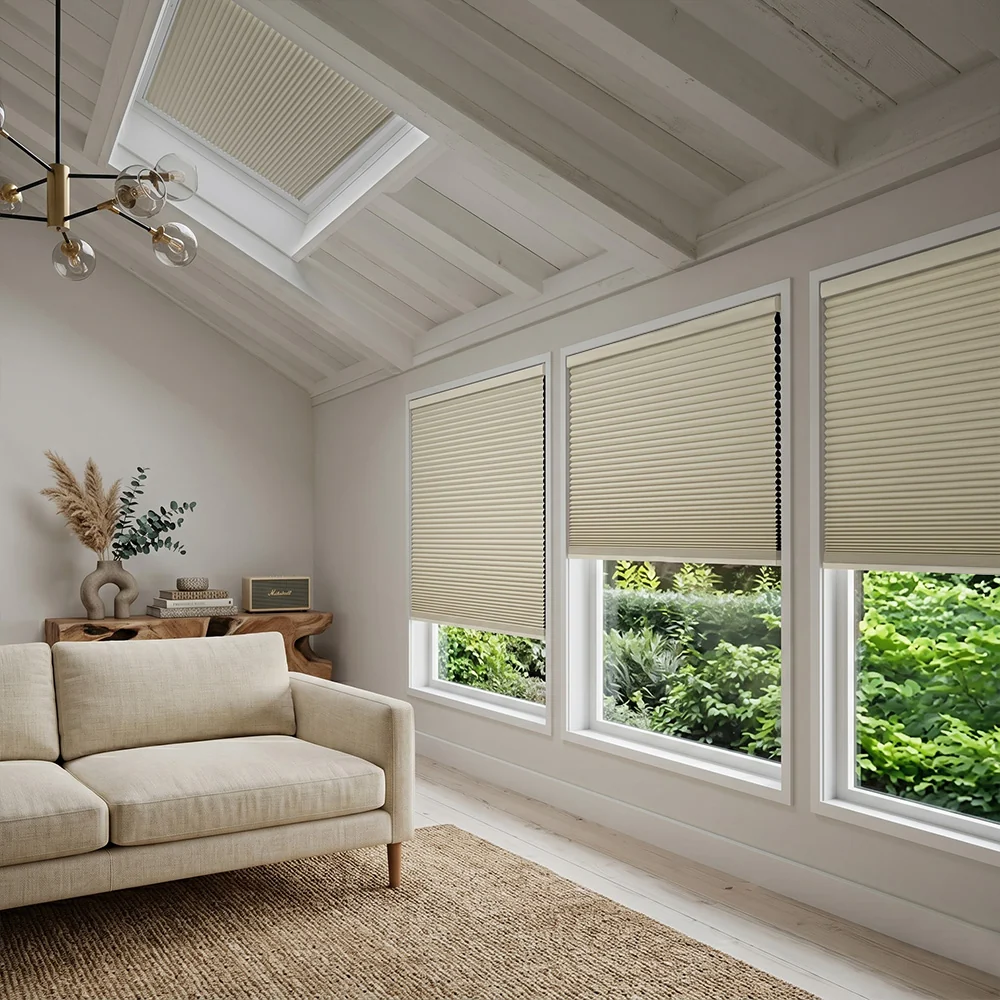
Cellular shades—also called honeycomb blinds—trap air in distinct pockets that create an insulating barrier between your home’s interior and the outdoor extremes. For Layton homeowners in East Layton, Gentile Valley, Cherry Lane, and Kays Creek, this translates to noticeably more comfortable rooms and measurably lower utility costs throughout the year. Made In the Shade Northern Utah helps local families select and install the right cellular shades for their specific window sizes, orientations, and energy goals.
Choosing the Wrong R-Value for Our Climate
One of the most common missteps Layton homeowners make is selecting cellular shades based on appearance alone, ignoring how much insulation they actually provide. Not all honeycomb blinds perform equally. A single-cell shade offers modest insulation, while a double-cell or triple-cell design dramatically increases the air pockets that slow heat transfer.
In milder climates, the difference might be negligible. In Davis County? It matters. Your west-facing windows in East Layton absorb intense afternoon sun from May through September; those same windows face bitter Wasatch Mountain winds from November through March. Choosing a shade rated for a temperate coastal city leaves you undersized for our swings.
Matching Cell Structure to Layton’s Extremes
When consulting with Made In the Shade Northern Utah, ask specifically about double-cell options for large picture windows that face the mountains. These provide a meaningful improvement in thermal resistance compared to single-cell alternatives, keeping your living spaces comfortable without forcing your HVAC system into overdrive.
- Single-cell shades: Entry-level insulation, suitable for interior rooms or mild exposure
- Double-cell shades: Substantially better thermal performance for direct sun or cold-side windows
- Triple-cell shades: Maximum insulation for the most demanding applications
Ignoring Window Orientation and Neighborhood Exposure
Another costly oversight is treating every window in your home identically. A south-facing kitchen window in Cherry Lane operates under completely different thermal stress than a north-facing bedroom window in Kays Creek. Homeowners who buy the same shade for every opening often end up with rooms that are still too hot, too cold, or both at different times of day.
South and West Windows: Solar Heat Gain
If your home sits in Gentile Valley with expansive views toward Hill Air Force Base or the Layton Hills Mall corridor, those large west-facing windows collect substantial solar heat every afternoon. Light-filtering cellular shades in a reflective fabric help bounce radiant energy back outside before it warms your interior.
North and East Windows: Winter Heat Loss
North-facing glass rarely overheats, but it radiates warmth outward during cold months. Here, prioritize shades with superior insulating cell structure and consider room-darkening options that add an extra layer of thermal resistance. The goal is keeping the heat you’ve paid Dominion Energy to generate inside your home rather than escaping through the glass.
Skipping Professional Measurement
Big-box stores sell cellular shades in standard sizes, and it’s tempting to grab one off the shelf to save time. The problem? Layton’s housing stock—especially the 1990s and 2000s tract homes that dominate neighborhoods near the Davis Conference Center—often features non-standard window dimensions, arched tops, or angled frames that don’t match off-the-rack options.
An ill-fitting shade leaves gaps at the edges where air freely circulates, negating much of the insulating benefit you paid for. You end up with a product that looks acceptable but performs poorly.
Why Custom Fit Pays for Itself
Professional measurement ensures your shades fit snugly within or over the window frame, eliminating thermal bridges. Made In the Shade Northern Utah provides complimentary in-home measurement so every shade is fabricated to your exact specifications. The result is a finished installation that seals properly and delivers the energy savings you expect.
A cellular shade that’s even a half-inch too narrow can lose a significant portion of its insulating effectiveness through the resulting air gaps.
Underestimating the Impact on Year-Round Comfort
Many Layton homeowners think of window treatments as a summer issue—something to block the sun during July barbecues. But cellular shades work bidirectionally: they keep heat out in summer and keep heat in during winter. Given that Davis County’s heating season stretches roughly six months, the cold-weather benefits often outweigh the summer ones.
Winter Performance in East Layton and Beyond
When temperatures drop into the teens or single digits, your windows become the weakest thermal link in your building envelope. Cellular shades reduce the chill you feel standing near glass and cut down on the cold drafts that make rooms uncomfortable even when the furnace is running. Homeowners in newer East Layton construction with large mountain-view windows often notice the most dramatic improvement.
Summer Performance Near Layton Hills Mall
The retail and commercial corridor near Layton Hills Mall sees some of the hottest afternoon temperatures in the city due to reflected heat from parking surfaces. Homes in adjacent neighborhoods benefit from shades that reject solar gain before it enters the room, reducing the load on your air conditioner and trimming your Rocky Mountain Power bill.
| Season | Primary Benefit | Key Shade Feature |
|---|---|---|
| Winter | Retain interior heat | Double-cell construction, tight fit |
| Summer | Block solar heat gain | Reflective fabric, light-filtering option |
| Spring/Fall | Manage temperature swings | Cordless top-down/bottom-up operation |
Overlooking Operational Features That Enhance Savings
Energy efficiency isn’t only about the shade’s insulating core—it’s also about how you use it. Shades that are difficult to adjust tend to stay in one position all day, missing opportunities to capture free solar heat on a cold February morning or block it during a hot August afternoon.
Cordless and Motorized Options
Modern cellular shades come in cordless designs that raise and lower with a gentle push, as well as motorized versions you can control from a smartphone or integrate with a home automation system. Motorization makes it practical to adjust multiple windows at once, ensuring your shades are always in the optimal position for current conditions.
Top-Down/Bottom-Up Flexibility
A top-down/bottom-up shade lets you lower the top portion to admit natural light while keeping the bottom raised for privacy—or vice versa. This flexibility is particularly useful in Layton’s variable climate, allowing you to fine-tune daylight and heat gain without an all-or-nothing approach.
- Lower from the top on sunny winter mornings to warm interior spaces passively
- Raise from the bottom in summer evenings for privacy without trapping heat
- Combine positions to balance light, privacy, and temperature control
Getting It Right: Your Next Steps
Choosing cellular shades in Layton, Utah isn’t complicated once you understand what to look for. Match the cell structure to your climate demands, consider each window’s orientation and exposure, insist on professional measurement, and select operational features that make daily adjustment effortless.
Made In the Shade Northern Utah serves homeowners throughout Davis County—from the established neighborhoods near Hill Air Force Base to the newer developments climbing into the Wasatch foothills. We offer manufacturer-backed fabrics and warranties, professional installation, and a free in-home consultation to help you identify where your windows are losing the most energy.
Ready to stop overpaying Rocky Mountain Power and Dominion Energy? Call Made In the Shade Northern Utah at 435-999-2615 to request your free energy savings estimate in Layton. We’ll measure your windows, discuss your goals, and recommend cellular shade options tailored to your home’s architecture and your family’s comfort.
Frequently Asked Questions
How much can cellular shades reduce heating and cooling costs in Layton?
Savings vary based on window size, glass type, and shade construction, but homeowners in Davis County commonly report noticeable reductions in their Rocky Mountain Power and Dominion Energy bills after upgrading to properly fitted double-cell or triple-cell shades. The greatest impact occurs on large, single-pane windows with direct sun or cold-side exposure.
Are motorized cellular shades worth the investment for Layton homes?
For homes with multiple large windows or hard-to-reach installations, motorization simplifies daily adjustment and ensures shades are positioned optimally throughout the day. Integration with smart-home systems allows scheduling based on sunrise and sunset, maximizing passive solar gain in winter and blocking heat in summer without manual intervention.
Do cellular shades work for the arched and specialty windows common in East Layton?
Yes. Custom-fabricated cellular shades can be made to fit arched, angled, and other non-standard window shapes found in many 1990s-2000s tract homes and newer East Layton construction. Professional measurement ensures a precise fit that eliminates air gaps and preserves the shade’s insulating performance.
What fabric color performs best for energy efficiency in Davis County's climate?
Lighter, more reflective fabrics excel at rejecting summer solar heat on south- and west-facing windows, while darker or opaque fabrics provide better room-darkening and can help retain interior warmth on north-facing glass during winter. A consultation can help you balance aesthetics with thermal performance for each room.